03 / AUTHENTIC CLINICAL PRACTICE
From simulated tasks to clinical readiness.
The final stages of S.T.E.P. bring students into increasingly authentic clinical environments. SimLab develops team-based clinical practice, while S.P.A.C.E. adds the complexity of human interaction, educator questioning and multi-source feedback.
Together, they help students integrate knowledge, communication, teamwork and clinical reasoning before entering real clinical placements.
WHY IT MATTERS
Clinical competence requires more than knowing what to do.
Students may be able to perform individual skills yet still find it difficult to coordinate care, communicate under pressure and adapt when a clinical situation changes.
Authentic simulation creates a safe environment in which students can combine these abilities before the stakes become real.
03A / SIMLAB
Practise as a clinical team.
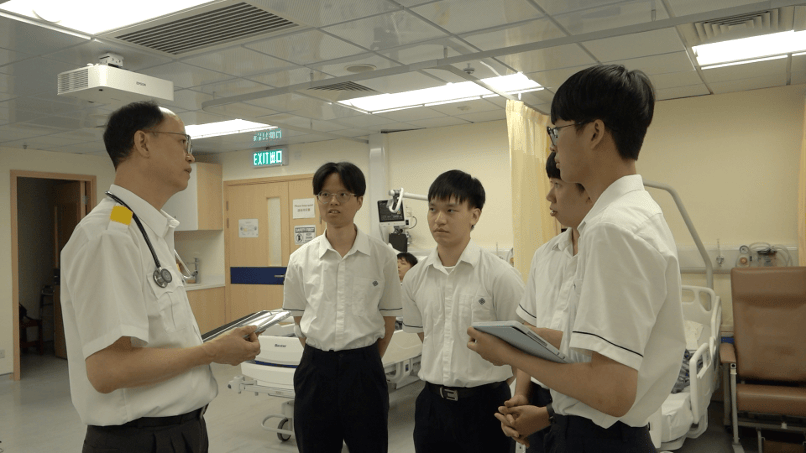
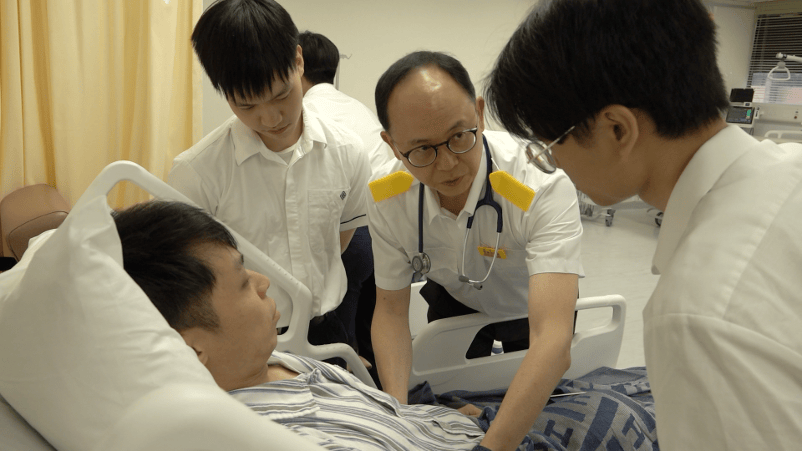
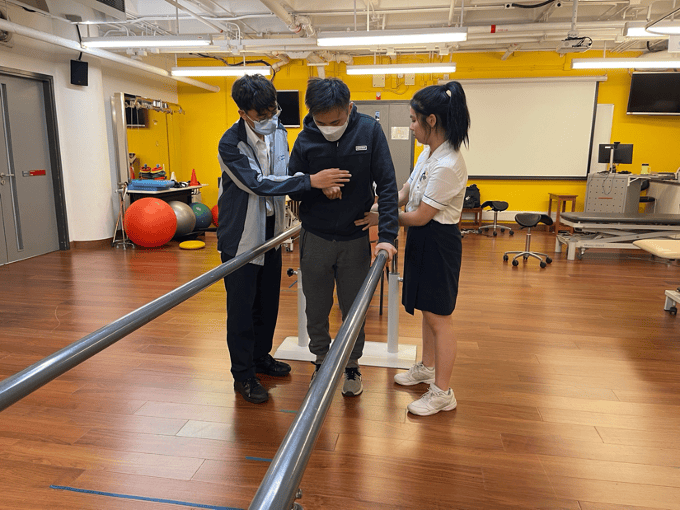
SimLab brings the clinical ward into the learning environment. Students assess, treat, observe, document and hand over care within realistic team-based scenarios.
The emphasis shifts from completing isolated skills to coordinating tasks, communicating clearly and making decisions together.


03B / S.P.A.C.E.
Perform when the situation becomes unpredictable.
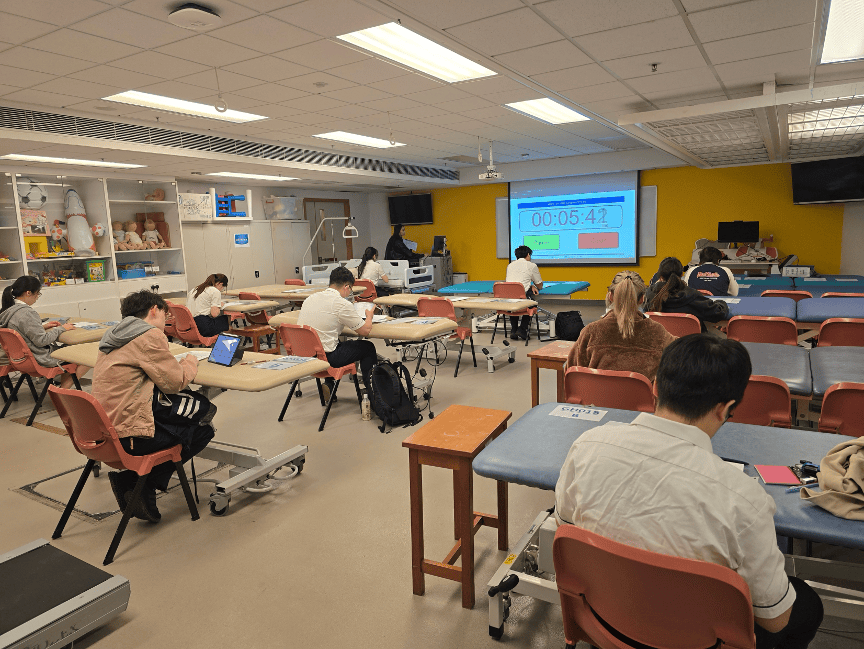
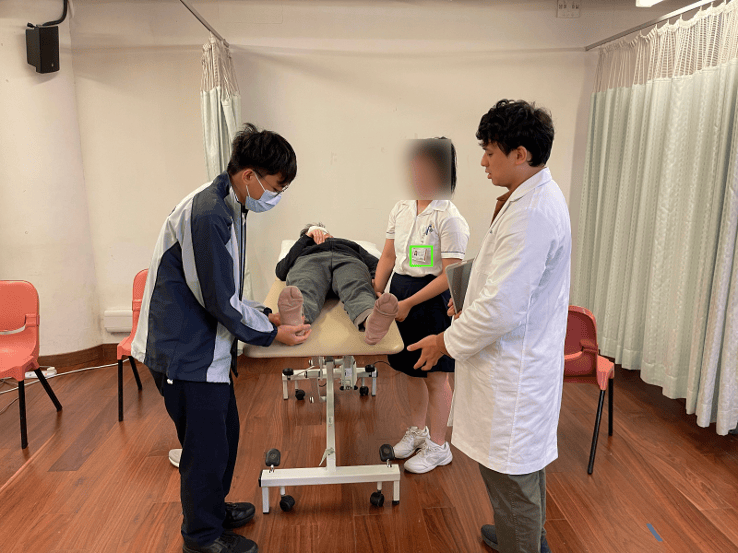
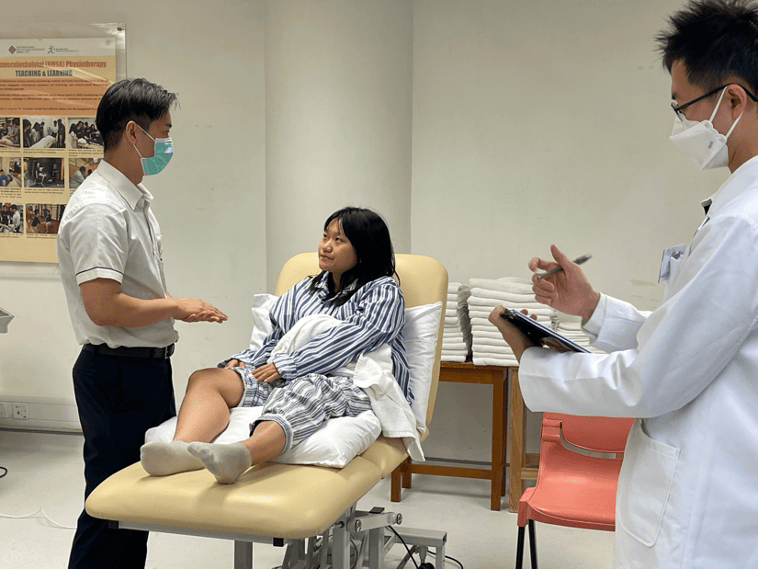
S.P.A.C.E. adds the complexity of standardized patients, clinical educators and multi-source feedback.
Students must communicate, collaborate, reason and adapt in situations that are more human, less predictable and closer to real clinical practice.
ROLE WITHIN S.T.E.P.
Where the MOOC and MOCARPs sit within S.T.E.P.
DIGITAL FOUNDATION
(MOOC + MOCARPs)
IMMERSIVE & INTERACTIVE LEARNING
(AR / VR / AI)
WHOLE-TASK PRACTICE
(SIMULATION & S.P.A.C.E.)
THE OUTCOME
Ready to enter practice with greater confidence.
By the end of the S.T.E.P. journey, students have repeatedly moved between knowledge, interaction, simulation and reflection—building the confidence and adaptability needed for real clinical environments.